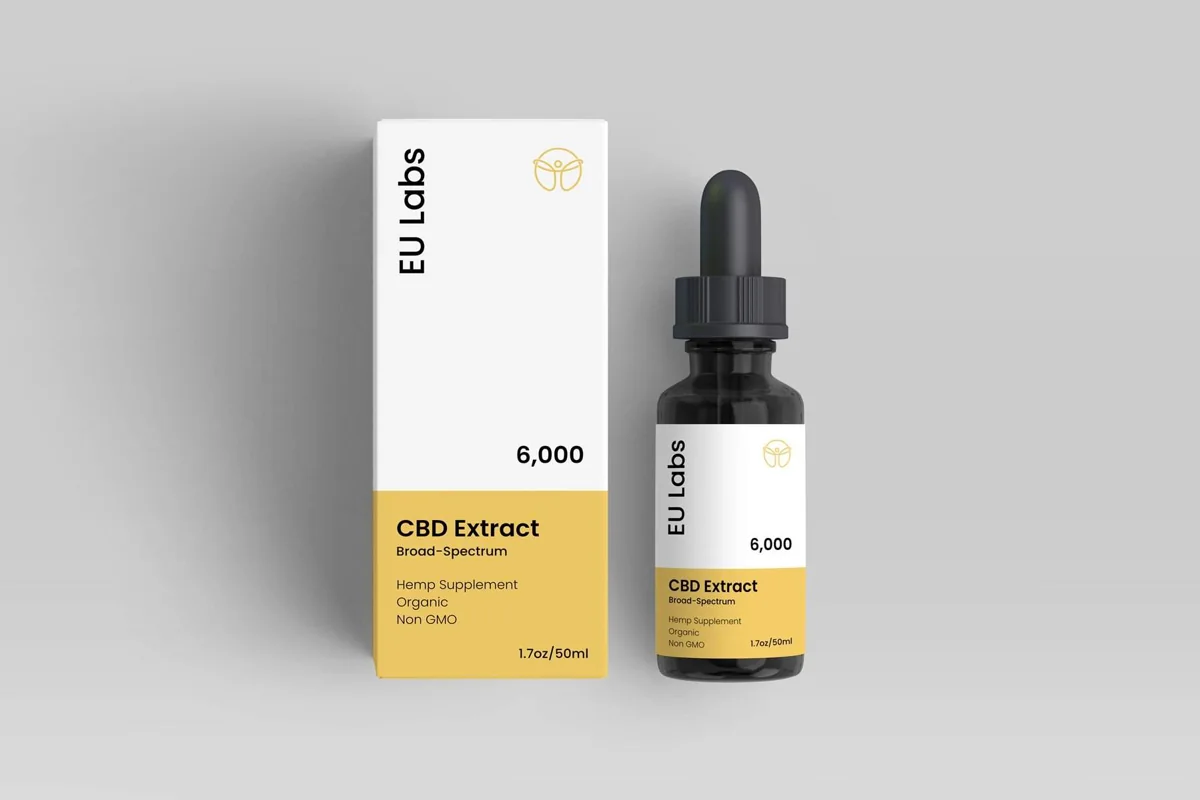
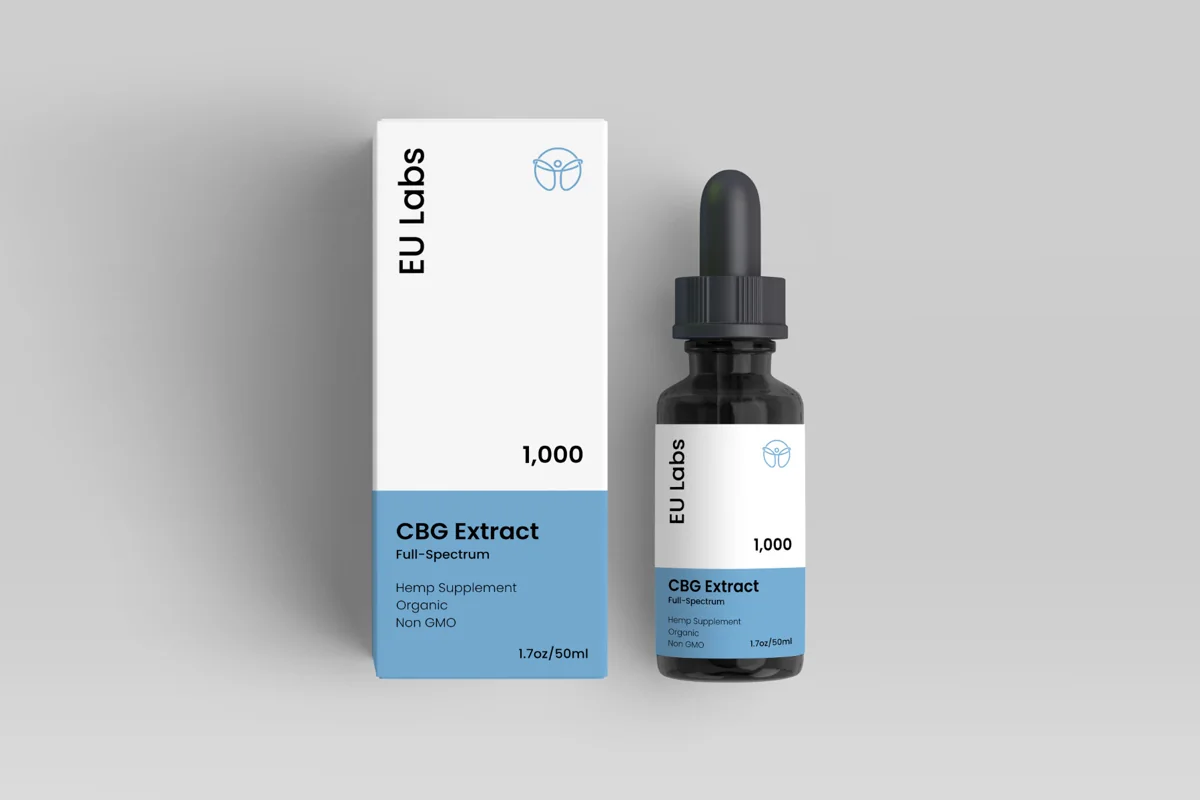
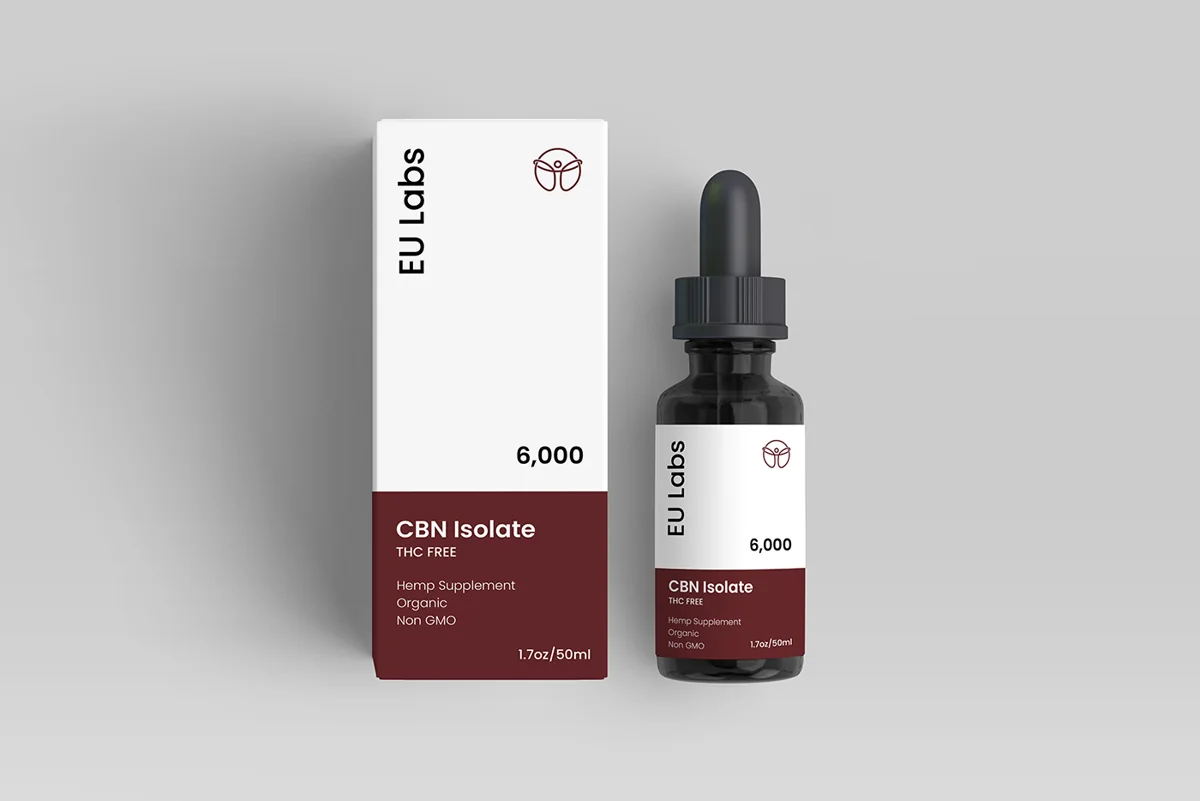
When you order CBD oil online in Australia, the batch date on the Certificate of Analysis is the freshest date that matters — not a best-before stamp printed at the warehouse. CBD oil has a typical shelf life of 12 to 24 months from the date of manufacture, provided the bottle is stored correctly after it arrives. The two variables that shape that window are the quality of the hemp extract and the carrier oil it is suspended in; everything after that is down to how you store it.
What actually drives the shelf life of CBD oil?
Every bottle of CBD oil is a combination of two things that both age: a hemp extract rich in cannabinoids and terpenes, and a carrier fat that keeps the extract in suspension. Understanding both is the starting point for understanding shelf life.
Hemp extract and cannabinoids are plant-derived compounds sensitive to three environmental factors: light, heat, and oxygen. Ultraviolet light from a window degrades cannabinoids over time, nudging their concentration below what the label states. Heat from a kitchen bench or a warm car accelerates the same process. Oxygen — introduced a little each time the dropper cap is opened — starts the slow work of oxidation. None of this is unique to hemp-derived CBD; it is the chemistry of any plant extract stored in a bottle.
MCT carrier oil — medium-chain triglycerides derived from coconut — is the carrier we use across the range because it is more shelf-stable than many seed oils, including hemp seed oil. But MCT is still a fat, and fats oxidise when exposed to heat and air. Oxidised MCT changes the smell and taste profile of the finished oil: the clean, neutral quality it starts with gives way to a sharper, rancid note. That is the carrier telling you the bottle has gone past its best.
Together, the hemp extract and the MCT carrier set the shelf life ceiling. How close you get to it is determined by how the oil is stored.
How long does a bottle last from the batch date?
The reference point for any specific bottle is not a label print date — it is the manufacture date recorded on the Certificate of Analysis (the COA) for that batch. A COA is a third-party lab result run on a specific batch before it leaves the facility, and it records the date the batch was made, the cannabinoid concentrations, and the THC figure for that lot.
Stored correctly, you can expect a sealed bottle to remain within its stated specification for 12 to 24 months from that manufacture date. Bottles we dispatch across Sydney, Melbourne, Brisbane, Perth, Adelaide are all batch-tested before leaving, and every COA is available on request at enquiries@australiacbdoil.com — quote the lot number from the bottom of the bottle.
The practical implication when buying online: a bottle that has spent three months in a distribution centre before delivery has already consumed part of that window. The batch COA date tells you exactly how much window remains.
Storage rules for Australian conditions
Correct storage is the single biggest variable you control after purchase. Australia's climate adds a specific consideration that cooler countries do not face: warm summer temperatures in Sydney, Melbourne, Brisbane, Perth, and Adelaide can push ambient room temperatures well above the storage optimum without a second thought. The rules below are straightforward; the climate note is what makes them worth following carefully here.
Cool and consistent. A kitchen cupboard away from the oven, a bathroom cabinet away from steam, or an interior shelf away from direct sun are all suitable. Consistent room temperature is better than a spot that shifts between warm afternoons and cold nights. Temperatures above ordinary room temperature accelerate oxidation in both the MCT and the hemp extract — this matters in a Brisbane or Perth summer when indoor temperatures rise if air-conditioning is off.
Dark. The amber glass of the dropper bottle screens out most ultraviolet, but there is no benefit to leaving the bottle where direct sunlight reaches it. An indoor cupboard handles this without any extra effort.
Cap on firmly. Every open session lets a small amount of oxygen into the bottle. A tight seal after every use is the simplest way to slow the oxidation clock. Dispensing a day's amount and then sealing immediately is better than leaving the dropper loosened.
Upright. Keeping the bottle upright stops the oil pooling against the rubber seal at the top of the dropper. Prolonged contact between oil and some sealant materials can affect the flavour profile over time.
Not in the freezer. Refrigerating CBD oil in an MCT carrier is not recommended — MCT can cloud or partially solidify below around 10°C. The oil recovers at room temperature, but the repeated cold-warm cycling adds unnecessary stress and makes dispensing difficult. Consistent room temperature is all that is required for a 50ml bottle.
Signs a bottle has gone off
Even within the 12–24 month window, a bottle can degrade faster if storage conditions are poor. These physical indicators tell you the oil has moved outside its original specification:
Smell change. Fresh hemp extract in MCT has an earthy, lightly botanical scent. If the oil has developed a rancid, acrid or noticeably flat odour — closer to old cooking oil than a plant extract — the carrier has oxidised. The terpene profile of the hemp extract also shifts as terpenes break down, from fresh and botanical toward dull or musty.
Colour change. A fresh full-spectrum CBD oil is typically pale gold to light amber. Significant darkening toward dark brown, or visible particulates that were not present when the bottle was new, indicate extract degradation.
Persistent cloudiness. A mild cloudiness after cold storage is simply MCT thickening temporarily — it clears at room temperature and is harmless. Cloudiness that does not clear at room temperature, especially alongside a changed smell, is a sign the oil has degraded.
None of these are health claims; they are physical descriptions of a product that has moved outside the composition spec recorded on its COA.
From our CBD oil range
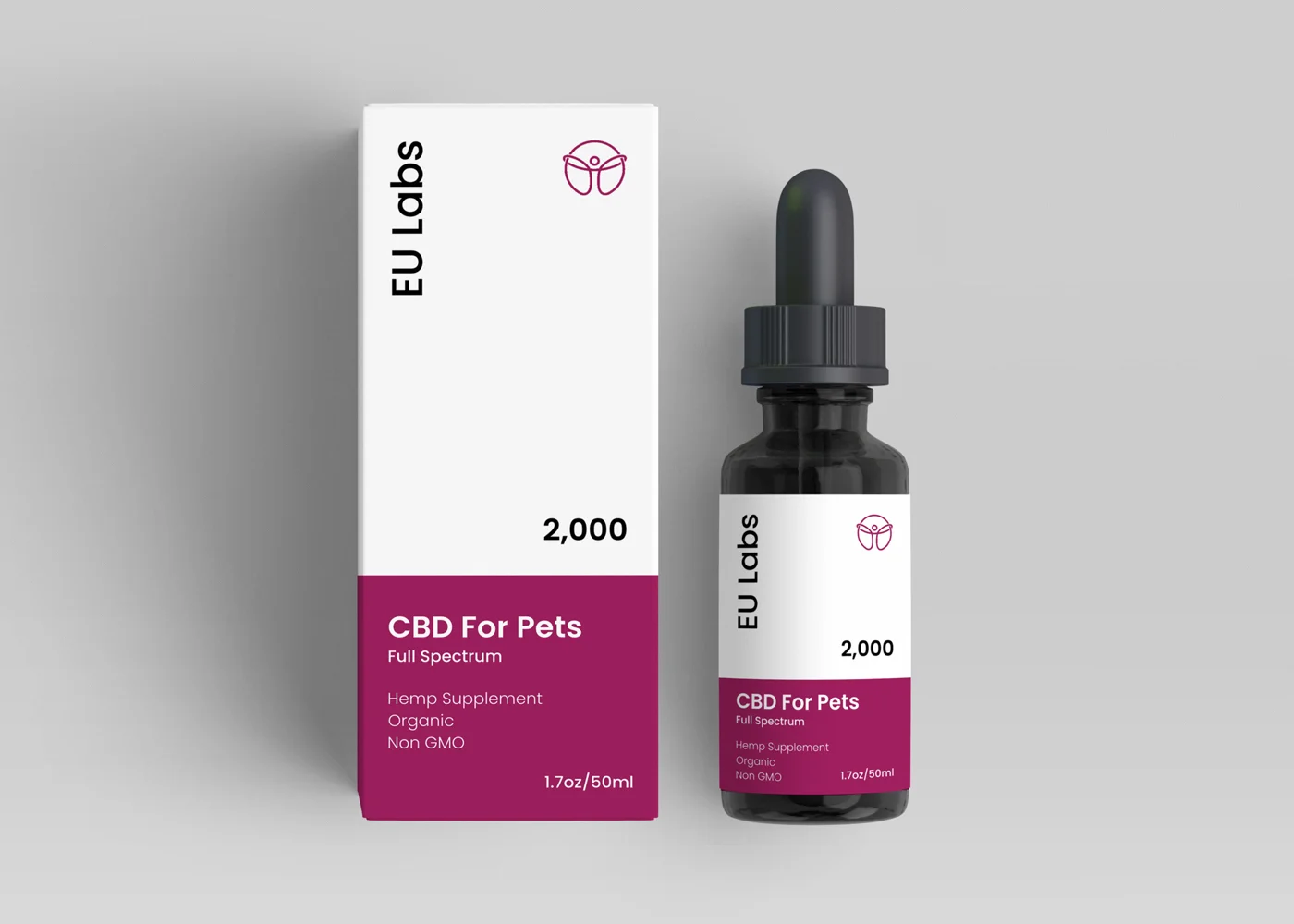
Pet CBD Oil 2000mg – Full Spectrum
Full-spectrum CBD oil formulated for pets — the same hemp source as our human range in a neutral MCT carrier, with no human-targeted flavours or sweeteners. 2000mg in a 50ml bottle, 40mg per ml. Best introduced under guidance from your vet.
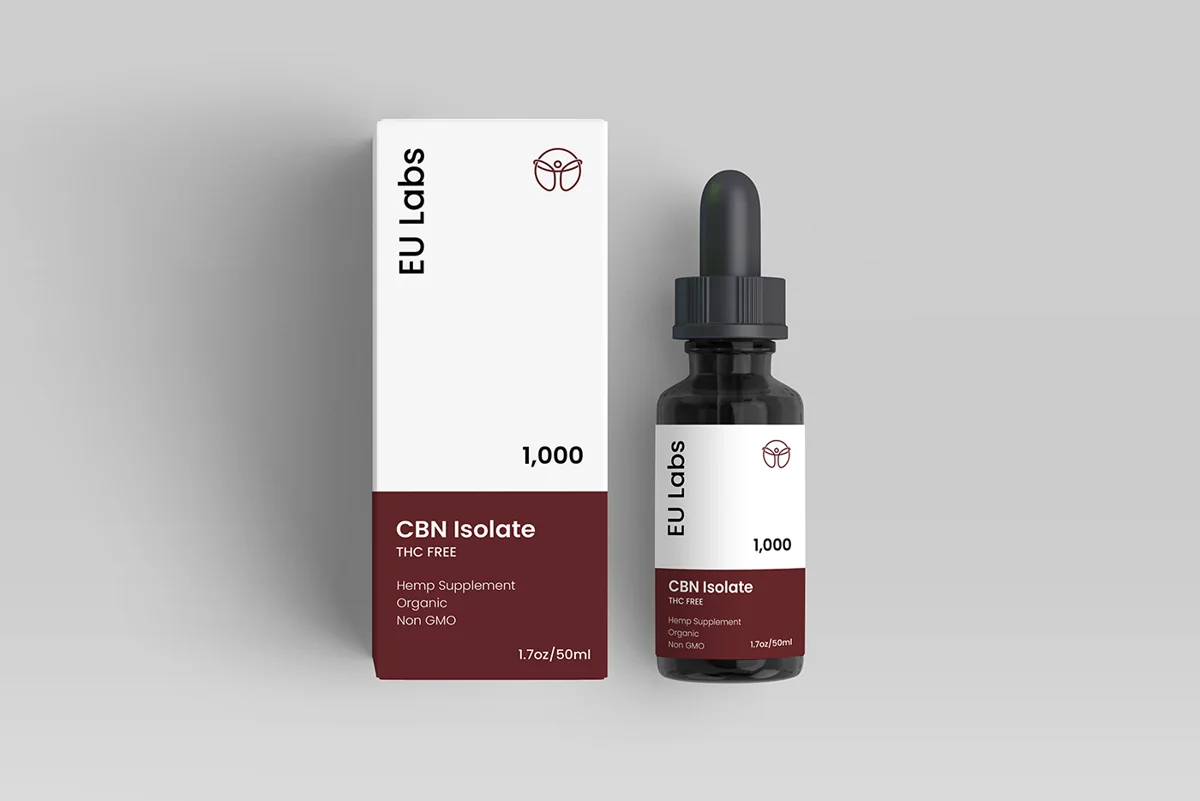
CBN Oil 1000mg – Cannabinol
Cannabinol, the cannabinoid that forms as raw hemp ages, supplied here as a THC-free isolate. 1000mg of CBN in a 50ml MCT bottle, 20mg per ml — a common pick for an evening routine.
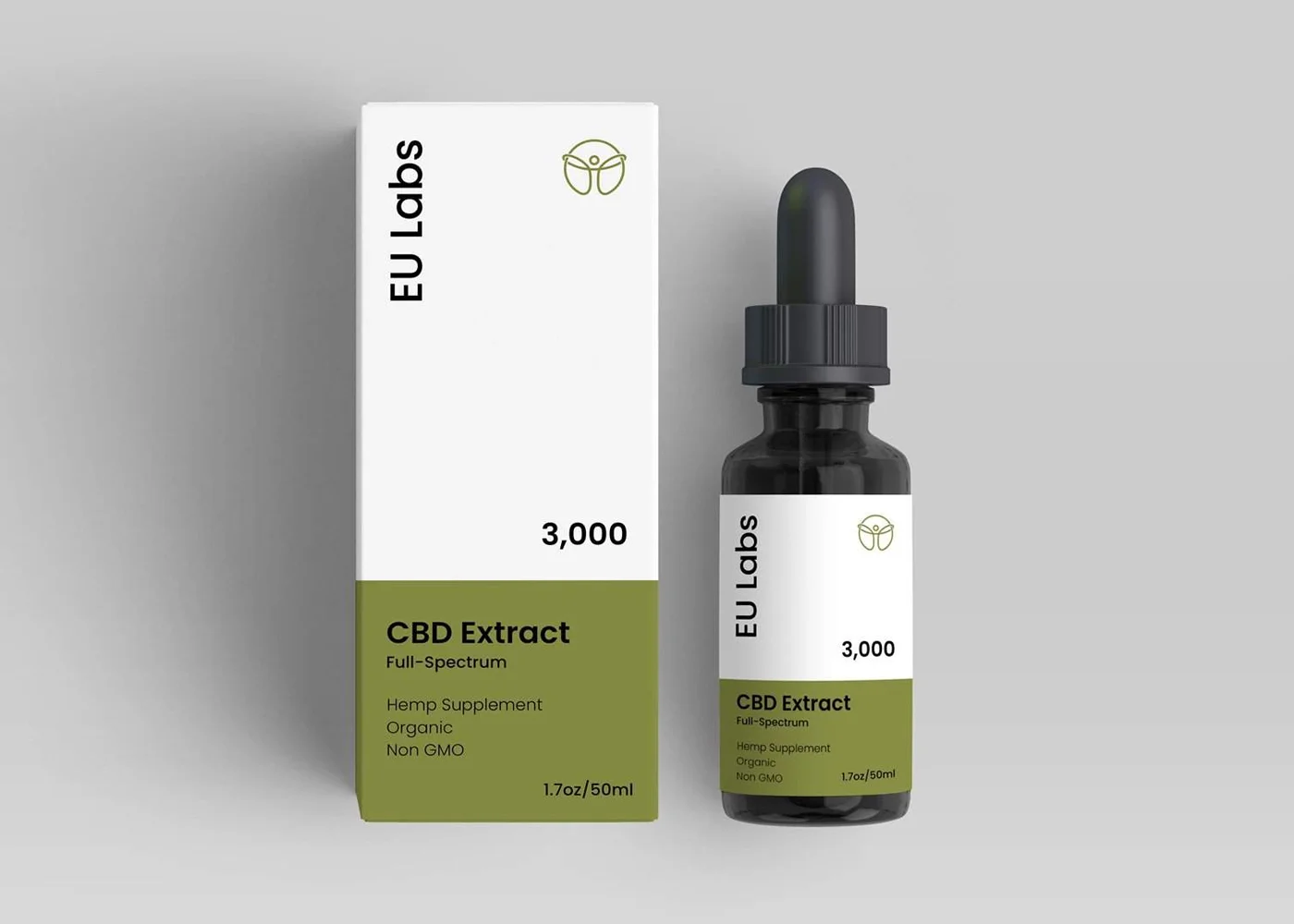
Full-Spectrum CBD Oil 3000mg
Whole-plant hemp extract carrying cannabidiol alongside the smaller cannabinoids and terpenes. 3000mg in a 50ml MCT bottle — 60mg per ml — with a legal trace of THC kept under 0.3%.
Reading the COA — the batch date and what else it tells you
The COA for each batch records four things that matter to shelf life and product confidence: the manufacture date, the cannabinoid profile by concentration, the THC figure (under 0.3% for full-spectrum, zero for broad-spectrum), and the test date. Together they tell you exactly how old the batch is at the time of testing and where its cannabinoid content sits.
To match a bottle to its COA, find the lot number — usually printed on the bottom or the lower side label — and email enquiries@australiacbdoil.com. We send the matching certificate for that specific lot.
Our guide to using CBD oil covers reading the label and understanding what the COA figures mean, which is the most useful starting point if you are new to cannabidiol products. The CBD Oil Australia product range includes full-spectrum CBD oil as the most common starting point in the range — its COA shows the manufacture date alongside the cannabinoid and THC figures for the batch. Browse the full range and current strengths at our online store, with prices from $69.00, and delivery to Sydney, Melbourne, Brisbane, Perth, Adelaide and across Australia.
Common questions about CBD oil shelf life
Does CBD oil expire? Yes. Both the hemp extract and the MCT carrier degrade over time, accelerated by light, heat and oxygen. The typical shelf life is 12 to 24 months from the manufacture date under correct storage. The batch COA is the accurate reference for any specific bottle — request it at enquiries@australiacbdoil.com with your lot number.
How does Australia's climate affect CBD oil storage? Warm summer temperatures across Sydney, Melbourne, Brisbane, Perth and Adelaide can raise ambient room temperatures enough to accelerate oxidation if a bottle is left on a bench or near a window. A cool, dark indoor cupboard solves this. Consistent temperature matters more than absolute coolness — avoid spots that heat up significantly during the day.
Can I refrigerate CBD oil to make it last longer? Refrigeration is not recommended for CBD oil in an MCT carrier. MCT can cloud or partially solidify below around 10°C, and the temperature cycling from repeatedly moving a bottle in and out of the fridge adds unnecessary stress. Consistent room temperature storage in a dark cupboard is the practical standard.
How do I check whether my CBD oil is still within specification? Check the batch COA date first — email enquiries@australiacbdoil.com with the lot number from the bottle. Then check the physical signs: smell (earthy/botanical is correct; rancid or acrid means oxidation), colour (pale gold to amber; significant darkening is a flag), and clarity (mild post-cold cloudiness clears; persistent cloudiness at room temperature does not). All three together give you a reliable read on whether the oil is still within its original specification.
Is the shelf life the same for full-spectrum and broad-spectrum? Both share the 12–24 month guideline under correct storage. The compositional difference — full-spectrum retains a legal trace of THC under 0.3% while broad-spectrum removes THC entirely — does not substantially change the degradation rate. Storage conditions are the dominant factor. THC thresholds for hemp-derived products in Australia are regulated by the Therapeutic Goods Administration, and the Certificate of Analysis for each batch records the specific figure for that lot.
Delivery to Australia
If you are ordering from Australia, delivery is domestic and tracked. CBD Oil Australia dispatches to Australia — including Sydney, Melbourne, Brisbane, Perth, with the same batch-tested stock listed on the shop page. Ask for the Certificate of Analysis for your bottle's lot number at any point.
Reading the strength on a label
| Bottle | Total cannabinoid | Per 1 ml | Bottle size |
|---|---|---|---|
| 1000 mg | 1000 mg | 20 mg | 50 ml |
| 3000 mg | 3000 mg | 60 mg | 50 ml |
| 6000 mg | 6000 mg | 120 mg | 50 ml |
| 12000 mg | 12000 mg | 240 mg | 50 ml |
The headline number is the whole bottle, not a single serve — divide by the bottle volume to compare products honestly.